Custom Search
Showing posts with label health. Show all posts

Monday, February 10, 2014

Baby Steps To Better You!

In the beginning of 2014, we all made several resolutions to make smarter choices this year… It’s always super easy to make those resolutions. However, the bigger the resolution, the sooner it breaks. From weight loss to getting more sleep, every New Year resolution meets the same fate (it goes off as easily as it comes) but I get it, you’ve got a busy life and you will always find an excuse !
 
That's why you need to start with little steps to be able to succeed. Here are some baby steps that can make a huge difference in your life:
  •  Don’t drink your calories: After the holidays, there will plenty of catch-up nights with your girlfriends and let’s be honest, that means cocktails. Be smart and stop ruin your diet with empty calories from sugary drinks. You also might say " I don't like fruit much so I'd rather drink it to get the vitamins." Sure, you get a few vitamins, but they're added back in to replace the fruit's original vitamins, which were stripped out during processing and that goes for the "not from concentrate" juices as well. You'll also be missing out on the vast majority of the actual fruit's fiber and phytonutrients. Ultimately, you should view juice as simply being flat soda with a tiny bit of vitamin C thrown in. If you don't think a glass of soda sprinkled with vitamin C sounds like a healthy beverage, juice is little better.
  • Drink skimmed milk! Skim milk is tasteless, right? If you are currently drinking whole or 2% milk, you probably think so. It is just too hard for you to drink white water. Understand that by drinking even 1/2% milk over skim milk gives the average person hundreds or thousands of extra grams of fat per year! This can add up to extra pounds of fat each year! It has to go somewhere.

  • Take the stairs: The elevator is, "of course" the easier option. But this small choice will make you feel better about yourself, burns calories and is a simple way to start making an active effort to chose what’s best for you. Your jeans will thank you.

  • Read nutrition labels: Another way to make changes is to start taking a look at the nutrition labels of the foods you are eating. Pay careful attention to serving size, as many labels can get tricky in that area; you might actually be eating two or more servings instead of one. Read the ingredients list too, and beware of trans-fats (also called hydrogenated oils), artificial sweeteners (sucralose, aspartame, saccharin to name a few), artificial colors and flavors, high fructose corn syrup, bleached flours, and anything else that you don’t instantly recognize as food.
  • Give multi-tasking a break: Too much juggling can lead to a lot of stress. “For those who have always aimed to be brave, capable and so hesitated at the toughest times to get help or to connect, stop doing that! Don't hesitate in delegating. Just sometimes, let it be!"
  • Up your spa visits: It's important to reward yourself once in a while for all the hard work you relentlessly do every day. Compensate a busy week at work with a relaxing escape at a spa. Massages help reduce muscle tension and regain your vitality, restoring inner balance.
  • Try a new vegetable every week.
  • Try to cut back on eating out. Most restaurants put far too much sugar and salt in their foods. Not to mention, GMOs. (Extra bonus: this way you can save some money!)
  • Think positively! The Mayo Clinic reports that Researchers continue to explore the effects of positive thinking and optimism on health. Health benefits that positive thinking may include: lower rates of depression, lower rates of distress, greater resistance to the common cold, reduce the risk of death from cardiovascular disease and much more...
  • Try -as hard as possible- to get your daily recommended 7-9 hours of sleeping...or at least some power naps (The power nap is thought to maximize the benefits of sleep versus time.)

  • Use Natural Personal Care Products and Home Cleaners: Your skin is your largest organ and it soaks up everything you put on it and/or it exposed to. Just as there are warnings against second hand smoke, the hazardous labels on these products should say that the fumes are toxic and your skin soaks them up.
When you take a baby step; that first step makes the next one and the later ones much more easier. A few steps in sequence become a path that we walk together.
 
Have a nice weekend!

Wednesday, July 31, 2013

Causes of Red Tired Eyes.

Tired eyes occur as a consequence of the effort. In general, there is a serious phenomenon. Tired eyes may indicate an eye disease in children or an age problem to person who are over 50 years old. In rare cases, eye fatigue is due to the presence of a disease or a medical treatment. However there are many contributing factors that can be the cause of red tired eyes. Genetics can play a part but this is not the main cause of this problem.


The symptoms include:

Burning sensation, heaviness in the eyes, sore eyes, watery eyes, dry eyes, blurred vision, an uncomfortable sensation of the eyelids or a pressure in the eye. Sometimes, eye fatigue can be accompanied by headaches, dizziness and migraines.

What are the causes?

  • The air conditioning
  • Heating system
  • Caffeine, tobacco or cigarette smoke
  • Industrial dust or other dust
  • Reading for extended periods
  • Spending several hours a day in front of the TV or computer
  • Under-performing liver or kidneys
  • Allergies, hay fever, sinus problems and nasal congestion
  • Inadequate sleep
  •  Excessive crying
  • Inadequate oxygen supply to the cornea
  • Pollution
  • Exposure to bright light or glare
  • Straining to see in very dim light
  • Fluid retention, salt (sodium) intake and lymphatic drainage
  • Increased pigmentation of the periorbital area (Indian, Asian, African and Mediterranean people)
  • Aging: It is the main cause of eye fatigue after 50 years; the body releases fewer tears, determining eye dryness.

Home remedies for tired eyes:

  • Apply compresses of warm water on the eyelids, if the eyes are dry. It's not necessary to use sterile water.
  • Use eye drops that will temporarily relax sensitive and irritated eyes.
  • Create a proper humidity in the room at night, in order to avoid waking up with red eyes.
  •  Plan a break from your computer. Take a break of 10 minutes at every hour.
  • Improve your working environment. Reduce the brightness of the computer screen or install a protection screen, reduce the intensity of colors.
  • Consult your doctor when you have an eye problem. People often regret that they haven't asked for the advice of a doctor earlier, because the eye exam is not painful and the remedies are efficient.

 Have a beautiful day!

Wednesday, July 3, 2013

Need For Sleep!


Skipping 1 night's sleep makes a person cranky and clumsy. After missing 2 nights of sleep, a person will have problems thinking and doing things; his or her brain and body can't do their normal tasks nearly as well. After 5 nights without sleep, a person will hallucinate (this means seeing things that aren't actually there). Eventually, it becomes impossible for the brain to give its directions to the rest of the body without sleep!
 
Sleep is as vital for survival as food, it gives your body a rest and allows it to prepare for the next day…But chronic lack of sleep can lead to health problems such as high blood pressure, obesity, depression, irregular hormone production, a weakened immune system and memory lapses…
 

5 Signs You Need More Sleep:

  1. Cravings & Hunger: If you find yourself hungry all day (and not because you skipped breakfast or have recently amped up your gym routine) it might be because you've been skimping on sleep.
    Research presented at the 2010 linked insomnia and lack of  sleep with higher levels of the hormone Ghrelin, the same one that triggers hunger. This uptick in the hunger hormone seems to lead to not only increased snacking, but also a craving for high-carb, high-calorie foods, which may help explain why people who don't get enough sleep are at a greater risk of obesity.
  2. You Are Emotional: Ever find yourself tearing up over an embarrassing TV commercial? While women might be quick to blame PMS, it could be a lack of sleep sending your emotions into overdrive. A 2007 study found that sleep-deprived brains were 60% more reactive to negative and disturbing images.
  3. You're Clumsier Than Usual: First you knock the alarm clock off the dresser, then you spill the milk as you're pouring your cereal, then you stub your toe on the way out the door...etc.
    Researchers don't know exactly why, but sleepy people seem to "have slower and less skills," Reflexes are dulled, balance and depth perception can be a little wonky and since you may also have trouble focusing, reaction time can be slowed, meaning you can't quite catch the egg carton before it hits the floor.
  4. You feel sick and you never get sick: Your immune system repairs and strengthens while you sleep. So in addition to eating flu-fighting foods, try to sleep at least seven hours a night to stay healthy all season.
  5. You can't remember where you put the car keys:  Your brain needs sleep to refresh and regenerate. Without it, your short-term memory may be impaired... And it’s not just your short-term memory: sleep deprivation has been shown to have negative consequences of student’s test scores and grades.

How Many Hours of Sleep Do You Really Need?

The average amount of sleep needed changes over our lifetime, especially during childhood and adolescence. Although there are averages, there will be individuals who fall both above and below these needs:
  • Infants (3-11 months) need 14-15 hours
  • Toddlers (12-35 months) need 12-14 hours
  • Preschoolers (3-6 years) need 11-13 hours
  • School age (6-10 years) need 10-11 hours
  • Adolescents (11-18 years) need 9.25 hours
  • Adults need an average of 8 hours
  • Elderly adults may need less than 8 hours
Have a Peaceful Night! :)

Saturday, June 29, 2013

Facts About Dukan Diet!

The Dukan Diet, also known as the princess diet. When Kate Middleton wanted to look fit and fabulous in her wedding gown, she chose the Dukan diet for weight loss success.The Dukan also reported to be followed by actress Jennifer Lopez and supermodel Gisele Bundchen. This diet claims dramatic results without requiring dieters to count calories or go hungry. It is a protein-based diet designed by French doctor Pierre Dukan.


The diet is based on a list of over 100 allowed foods, as well as four specific ground pillars also known as phases: attack, cruise, consolidation, and stabilization.

The Dukan method:
  • The attack phase is designed to enable dieters to rapidly lose 2 to 3 kilograms (4.4 to 6.6 lb) in 2–7 days by kick-starting their metabolism. Dieters are allowed to eat as much as they want of 72 protein-rich foods.
  • The cruise phase is designed to allow dieters to more gradually achieve the weight they aim for by eating protein-rich foods with the addition of 28 specific vegetables. The length of this phase is usually calculated as 1 kilogram (2.2 lb) of weight loss per week, but this is based on specific personal conditions. Tolerated foods are also allowed as per the programme, but any weight gain will ban some of these.
  • The consolidation phase is designed to help in preventing any future massive weight gain. During this phase, fruit, bread, cheese and starchy foods are reintroduced into a normal diet, leaving two celebratory meals a week as directed by the plan.
  • Finally, in the stabilization phase, dieters can essentially eat whatever they want without gaining weight by following a few rules:
  1. protein day once a week
  2. eating oat bran every day and making a commitment to "take the stairs". According to Dukan, dieters shall follow this last phase for the rest of their life to avoid regaining weight.


 The official 100 Eat As Much As You Want Foods list:

  • MEAT AND OFFAL: Beefsteak, breasola/air-dried/wind dried beef, calf's liver, Fat reduced bacon, fillet of beef, game, kidney, pre-cooked ham slices (without any fat or rind), rabbit, roast beef, rumpsteak, sirloin steak, tongue, veal chop, veal escalope
  • POULTRY: Chicken, chicken liver, guinea fowl, ostrich, pigeon, poussin, pre cooked chicken and turkey slices, quail, turkey
  • FISH: Bass, cod, seafood sticks, dab/lemon sole, dover sole, grey mullet, haddock/smoked haddok, hake, halibut/smoked halibut, herring, mackerel, monkfish, plaice, pollock/coley, red mullet, salmon/smoked salmon, sardines, sea bream, skate, swordfish, trout (rainbow and salmon), tuna, turbot, whiting
  • SEAFOOD: Calamari/squid, clams, cockles, crab, crayfish/crawfish, dublin bay prawns, lobster, mussels, prawns/shrimps, oysters, scallops, whelks.
  • EGGS: Hen's eggs, quail's eggs
  • DAIRY PRODUCTS: Cottage cheese (low fat), fat free fromage frais, fat free Greek yogurt, fat free yoghurt, Quark (low fat), skimmed milk
  • VEGETABLE "PROTEINS": Konjac, oat bran, tofu
  • VEGETABLES: Artichoke (globe), asparagus, aubergine, beetroot, broccoli, Brussel sprouts, cabbage, carrot, cauliflower, celery/celeriac, chicory, courgette, cucumber, fennel, French beans, kohlrabi, lamb's lettuce, leek, lettuce, mushrooms, onion, palm hearts, peppers, pumpkin, radish, rhubarb, soya bean sprouts, spinach, tomato

Oat Bran:

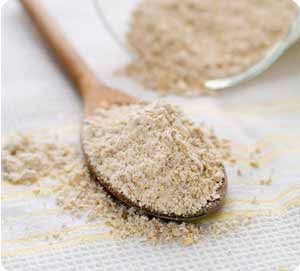
Oat bran plays a very important role in the plan.Oat bran is nothing but the fibrous husk that surrounds the oat grain and is one of the staple foods of the Dukan Diet because of its many properties including making us feel fuller for longer and cholesterol reduction. You allowed to eat 
1 and ½ tablespoons during the Attack Phase, 2 tablespoons during the Cruise and Consolidation Phases and 3 tablespoons per day during the Stabilisation Phase.
   Special Benefits of Oat Bran:
  1. Oat Bran is Delicious! Ideal for breakfast as hot cereal or mixed with yogurt or cottage cheese. Oat bran can also be used to make savory pancakes, pizza crust, muffins, cookies and much more! As the only source of carbohydrates during the Attack phase and Pure Protein days, oat bran brings an extra element of variety to the diet.
  2. Oat Bran Helps Lower Cholesterol: Oat bran contains soluble fiber, which reduces the low-density lipoprotein (LDL), otherwise known as the "bad" cholesterol. The soluble fiber reduces the absorption of cholesterol into the bloodstream. When compared to oatmeal, on average oat bran has 50% more fiber and soluble fiber, making it much more efficient.
  3. Oat Bran Creates a Feeling of Fullness: Once consumed, oat bran enters the digestive tract where its soluble fiber absorbs water and forms a gel-like substance, creating a feeling of fullness. Oat bran absorbs on average 25 times its volume in liquid. A tablespoon of oat bran, about half an ounce, forms a 13 ounce ball in the stomach. The feeling of fullness and being less hungry leads to much less frustration while dieting.
  4. Oat Bran Slows Down Sugar and Fat Absorption: Once ingested, the bolus (the gel-like substance created by the oat bran and water) passes through the gastric acid, bile, and finally the pancreatic juices. This turns the bolus into pulp and reduces it to a mix of elementary chains, fatty acids, amino acids and glucose.This process both slows down the sugar assimilation and removes calories from the body by reducing the absorption of dietary fat, while keeping your blood sugar levels low and stable
Oat Bran
What is the difference between oat bran and oatmeal?
Oat bran contains about 50% more fiber and soluble fiber than oatmeal, making it more effective at lowering cholesterol and helping digestion. It also has more protein, calcium, iron, thiamin, phosphorus, riboflavin, magnesium, and zinc.
The main structural difference is that oatmeal (typically rolled oats) is whole grain, while oat bran is just the bran of the oat.
Finally, because oat bran is creamier (due to the finer texture of the product), it satiates hunger more than oatmeal.
     
     For more information

Sunday, June 9, 2013

Creative Ways To Exercise At Home without Equipments!

Do we really need an expensive membership in the gym to stay in shape? How many people prefer to lose weight at home because lack of time; or because of low self esteem?
Since exercise is so important, you need to find effective exercises that don’t require any equipment at all, you will be able to workout anytime during the day...even before going to your work!
 
Here are 10 great exercises:
  1. Step Exercises: Use the steps in your home, you can do repetitions which will tone your leg muscles. (Just remember to be careful!)
  2. Dancing : Dancing is a wonderful exercise, which is great for your heart. Not only that, but it can lift your spirits as well, and give your overall feeling a boost.
  3. Squats: These are wonderful exercises for your legs and butt. You can even just try these by sitting and standing up again from a regular chair, if you’re finding them to be too difficult. As long as you’re able to do a few repetitions, you will be providing some benefit to your body. Try to take a 30-day squat challenge, trust me it's fun and easier than you think!
  4. Pushups: These are probably not the most favorite exercise of many people, but while they can be hard to do, you can find easier ways to do them. You don’t need to pretend you’re “Rocky”, and do them with one hand; just do what works for you. Do them on your knees, instead of keeping your legs straight. Or, do them standing up against a wall. You will be building up arm strength and working out muscles in your chest area.
  5. Superman Back Extension: Lay on your stomach and reach your arms forward (like you're flying). Gently raise your legs and upper body off the floor while keeping your head straight. Pause for three seconds and repeat.
  6. Bird Dog: Begin on all fours (downward dog), ensuring your hands are directly under your shoulders and your knees are directly under your hips. Slowly extend your right leg behind you and reach your right arm forward into a straight line. Hold your balance without arching your back. Return to the starting position and repeat on the opposite side.
  7. Modified Chair Dips: Tone those triceps, Firmly grip a chair, table or any firm object that will support your weight. Fingers should be facing your back and your knees should be bent with feet shoulder width apart and flat on the ground. Lower yourself until your arms are bent at 90-degree angle and then push yourself back till arms are straight again. Repeat for one minute. Tip: To make this more difficult you can straighten your legs and even raise one leg at a time while you continue to dip.
  8. Overhead Lunges Wlak: This is a classic exercise with a little twist. Holding something overhead really stretches out your fascia and gives you an extra hip flexor stretch. Doesn’t matter what it is. Start with your feet together and step out into the lunge. Ensure that you step far enough so that your knee does not go in front of your toe, and to make sure you get good hip flexor stretches. You can hold a book or something light overhead.

  9. Step Ups: These are really good for your legs and your bum. Find a stable chair and you can get started. If the exercise is too easy find something heavy to hold to your chest or put a back pack on your back. Start doing these slowly and controlled on the way down.
  10. Dead Bugs: A great abdominal and core stability workout. Lay on the floor with your arms and legs up as shown in the picture. From here you need to drop your arm and leg on the same side. Make sure your leg doesn’t touch the floor. Bring them slowly back up and repeat.
                           
   And to make these exercises even more fun, you can blast music while you’re doing them. Some you can even do while watching TV. Now you have no more excuses!
 
Good Luck & Have a Beautiful Weekend!


Friday, April 26, 2013

Anger Management!

No, I'm not talking about Charlie Sheen's new show!
In this post, you will find simple tips to control your emotions and overcome your anger if you're experiencing overwhelming rage!
  • Take a break: Stop what you're doing, get away from whatever is irritating you, and just take a breather. Getting away from whatever's upsetting you will make it easier to calm down. Try it out in these situations:
  1. Road rage: pull over on a side road and turn off the car.
  2. At work: go to to a room or step outside for a moment. If you drive to work, consider sitting in your car so that you're in a space you own.
  3. At home: go to a single-occupancy space (such as the bathroom) or for a walk.
  4. Unfamiliar place: Close your eyes and try to imagine yourself somewhere peaceful.
  • Breathe deeply: If your heart hammers with rage, slow it down by controlling your breathing. Count to three as you inhale, hold the breath in your lungs for three more seconds, and count to three again as you exhale. Focus only on the numbers as you do this, and refuse to think about whatever is angering you. Repeat as many times as necessary.
  • Go to your "happy place": If you're still having a difficult time calming down, imagine yourself in a scene you find incredibly relaxing. It could be your childhood backyard, a quiet forest, a solitary island - whatever locale makes you feel at home and peaceful. Focus on imagining every detail of this place: the light, the noises, the temperature, the weather, the smells. Keep dwelling on your happy place until you feel completely immersed in it, and hang out there for a few minutes or until you feel calm.
  • Ask for the support of someone you trust: If you're still upset, sharing your concerns with a close friend or confidant might help.
  • Set a time limit:  Give yourself a set amount of time to deal with what's upsetting you, and stick to it - when time is up, your rant is over. This will help you move on instead of dwelling on the situation endlessly.
  • Engage in physical activity: The endorphins that come from exercise can help you calm down, and moving your body provides a physical outlet for your rage. Try these activities you can practice alone:
  1. Running.
  2. Weight training.
  3. Cycling.
  4. Yoga
  5. Basketball.
  6. Martial arts.
  7. Swimming.
  • Keep a journal of what upsets you and how you plan to fix it: Every time you're overwhelmingly angry, write down exactly what happened. (It's important to be honest, even if it casts you in an unfavorable light - remember, a journal is meant to be private.) Then plan out what you're going to do to fix the problem and avoid running into it next time. If you do find yourself in the same upsetting situation, refer back to your journal notes to see what else you can do.
  • Remember! we are all human and tend to get angry at someone or something. You can tell someone how you feel and see if they can help you.
  • For every negative thought you have, challenge it with three positive thoughts.
  • If you're ever angry with your family, think about what they mean to you.
  • Sing one of your favorite songs (with a happy beat).
  • Try thinking of stuff that you are thankful for.
  • Watch what you say when you're angry. You don't always feel the same as when you have calmed down and thought of the situation
Have a Peaceful Weekend!

My Source

Saturday, March 23, 2013

Unhealthy Facts About Everyday Foods!

Salad, bran muffins, fat-free foods...They're good for you, right? Not always. Nutrition experts reveal surprisingly unhealthy foods. Eating bad foods without even knowing it's unhealthy for you can make you feel like crap, lead to weight gain and cause all sorts of health problems. Read more facts about everyday foods


  • Cereal bars: Cereal bars have the appeal of being a healthy snack on the go. We tend to think of these bars as nutritious and packed with fiber, but in reality many of them are made with high-fructose corn syrup and have quite a high amount of carbs and fat packed in a single bar!
  • Turkey burgers: If you're going with a turkey burger for dinner, make sure that the decision is based purely on taste and nothing else. Turkey burgers actually pack in much more fat than beef or chicken burgers. It's easier to make burgers with lean ground beef or a chicken breast.
  • Healthy Margarine: Margarine actually has around the same calories as butter does, so what's the difference? Unlike butter, margarine is loaded with trans fat, making it one of the top unhealthy foods you can purchase straight off the shelf. 
  • Non-dairy whipped topping: Saturated fat and high fructose corn syrup, these are two ingredients that are used plentifully in non-dairy whipped toppings. Need some whipped cream? Just whip up a small portion of pure whipping cream to go with the dessert you're serving.
  • Sushi rolls: For those who watching their weight, sushi is often a go-to meal when out for a night on the town, but few people realize that sushi rolls pack a sizable amount of rice and very little protein. When having sushi, opt for sashimi instead to get your protein fixing.   
  • Dried fruit: Have you ever wondered about the health benefits in dried vs. fresh fruit? Dried fruit stacks up calories quickly and easily, and though they contain fiber, you can gain all the benefits of dried fruit and more by eating fresh fruit.
  • Flavored low-fat yogurt: Low-fat yogurt is usually high in carbohydrates. Why not buy some greek yogurt and slice up fresh fruit? A much healthier alternative to processed jelly-like fruit preserves sitting on the bottom of those low-fat yogurt cups.
  • Ramen and Cup Noodles: Don't be fooled by their speedy prep instructions and convenience. Cup noodles/ramen tend to be high in sodium, fat, carbohydrates, and cholesterol!
  • Low-fat salad dressing: Another example of how something marketed as low fat can actually be bad for you. Low-fat salad dressings are everywhere, but what they don't have in fat they make up for in carbs and other unnecessary processed ingredients. Do yourself a favor and make an easy vinaigrette from scratch.
  • Canned vegetables: Not all canned veggies are bad for you, but there are definitely certain brands that pack on way too much unnecessary sodium or sugar. Next time you shop canned vegetables, opt for the ones labeled 'no salt added' and season the food yourself!  
  • Trail Mix: Pre-packaged and processed trail mixes are actually high in fat (from peanuts, chocolate, etc.) and high in carbohydrates (from the candied fruit, dried fruit, and chocolate), making trail mix one of the most unhealthy snacks out there. When it's snacking time, go for some fresh fruit or make your own trail mix from scratch

  • Healthy sport drinks: The benefits of Vitamin Water is a touchy subject for diehard Vitamin Water drinkers, but unfortunately a look at the label tells us that it's basically just sugar water with a small dose of vitamins. For a sweet drink, why not pick up some fresh squeezed orange juice or opt for a lightly sweetened tea?                
Have a nice weekend!

Wednesday, February 27, 2013

Cancer Fighting Foods & Spices!


One of the easiest things for us to fight cancer is to change our diet. The National Cancer Institute estimates that roughly 1/3 of all cancer deaths may be diet related. What you eat can hurt you, but it can also help you. Remember that ´good nourishment´ is a crucial weapon in the fight against cancer and any illness. Good nutritions can be vital in increasing your personal odds of survival.
Also remember that natural compounds are likely to do you a lot better than synthetic pills!

 
Many of the common foods that found in grocery stores or organic markets contain cancer-fighting properties, from the antioxidants that neutralize the damage caused by free radicals to the powerful phytochemicals that scientists are just beginning to explore. There isn't a single element in a particular food that does all the work: The best thing to do is eat a variety of foods.
 
Here are some foods that have the ability to help stave off cancer and some other that can even help inhibit cancer cell growth or reduce tumor size:

A- Foods

  • Flax contains lignans, which may have an antioxidant effect and block or suppress cancerous changes. Flax is also high in omega-3 fatty acids, which are thought to protect against colon cancer and heart disease. Try to use flax seed oil and cottage cheese as a breakfast or a light snack.  
 
  • Garlic has immune-enhancing allium compounds (dialyl sultides) that appear to increase the activity of immune cells that fight cancer and indirectly help break down cancer causing substances. These substances also help block carcinogens from entering cells and slow tumor development. Diallyl sulfide, a component of garlic oil, has also been shown to render carcinogens in the liver inactive. Studies have linked garlic as well as onions, leeks, and chives to lower risk of stomach and colon cancer.  According to  studies, people who consume raw or cooked garlic regularly face about half the risk of stomach cancer and two-thirds the risk of colorectal cancer as people who eat little or none. Sudies didn't show garlic supplements had the same effect. It is believed garlic may help prevent stomach cancer because it has anti-bacterial effects against a bacterium, Helicobacter pylori, found in the stomach and known to promote cancer there. It is a truly wonderful food. Two or three raw cloves of garlic per day will ward off more than vampires!
  • Avocados are rich in glutathione, a powerful antioxidant that attacks free radicals in the body by blocking intestinal absorption of certain fats. They also supply even more potassium than bananas and are a strong source of beta-carotene. Scientists also believe that avocados may also be useful in treating viral hepatitis (a cause of liver cancer), as well as other sources of liver damage.
  • Oily Fish: Vitamin A is an important vitamin in the fight against cancer. Oily fish is the best provider, with herring, mackerel and salmon top of the list. Fish oil will also give you long chain Omega-3 as well which has been linked to reduced levels of prostate, breast and colon cancer. You’ll also get a little vitamin D, a proven cancer-fighter too.
  • Carrots: Along with apricots, peppers and pumpkins, they provide cancer carotenoids like beta-carotene, which converts to vitamin A, when required by the body. 1 cup of carrot juice, 2 sweet potatoes, 16 dried apricots and 4 cups of red cherries will each provide 25mgs. Don’t eat them all at once - people have been known to turn a little orange!
A great juice to make yourself involves carrots and apples (for quercitin) and beetroot (for anthocyanins). A real cancer fighting drink!
Carrots help to reduce a wide range of cancers including lung, mouth, throat, stomach, intestine, bladder, prostate and breast. Some research indicated beta carotene may actually cause cancer, but this has not proven that eating carrots, unless in very large quantities (2 to 3 kilos a day)can cause cancer.
  • Red and Yellow Peppers: The top source of vitamin C - even better than oranges. Vitamin C strengthens your immune cells and neutralizes toxins. Linus Pauling thought cancer patients should consume 2 to 10 gms per day. A large red pepper is 250 mgs. 200 gms raw broccoli 175 mgs. 150 gms papaya 90 mgs. An orange 65 mgs.
  • Chili peppers and jalapenos contain a chemical, capsaicin, which may neutralize certain cancer-causing substances (nitrosamines) and may help prevent cancers such as stomach cancer.
  • Oranges, lemons and Grapefruits: citrus fruits, contain monoterpenes, believed to help prevent cancer by sweeping carcinogens out of the body. Some studies show that grapefruit may inhibit the proliferation of breast-cancer cells in vitro. They contains vitamin C, beta-carotene, and folic acid. They also contain Iimonene which stimulates cancer-killing immune cells (lymphocytes, e.g.) that may also break down cancer-causing substances.
  • Sunflower Seeds: High in zinc and vitamin E. Zinc helps vitamin C do its work and accelerates healing time. It is important to a healthy prostate. You need 15 to 25 mgs per day. Five tablespoons of sunflower seeds give you 10 mgs. Best are oysters, 3 are enough. Milk can block zinc absorption. Sunflower seeds will also provide a little selenium.

  • Pumpkin Seeds: can be mixed with the sunflower seeds in your morning mueseli. 5 tablespoons will each provide 20 mgs of vitamin E, the ultimate cancer buster, which inhibits cancer cell growth and protects immune cells from free radicals. Vitamin E boosts your immune systems fighting abilities. The target is 300-600 mgs and is difficult to achieve without supplements. Green vegetables, soya and almonds are also good sources.
  • Cruciferous vegetables: Like broccoli, cauliflower, kale, Brussels sprouts, and cabbage contain two antioxidants, lutein and zeaxanthin that may help decrease prostate and other cancers. Broccoli, especially sprouts, also have the phytochemical sulforaphane, a product of glucoraphanin - believed to aid in preventing some types of cancer, like colon and rectal cancer. Sulforaphane induces the production of certain enzymes that can deactivate free radicals and carcinogens. The enzymes have been shown to inhibit the growth of tumors in laboratory animals. 
  • Figs apparently have a derivative of benzaldehyde. It has been reported that investigators at the Institute of Physical and Chemical Research in Tokyo say benzaldehyde is highly effective at shrinking tumors. In addition, the U.S. Department of Agriculture says figs, which contain vitamins A and C, and calcium, magnesium and potassium, may curtail appetite and improve weight-loss efforts. Fig juice is also a potent bacteria killer in test-tube studies.

  • Soy products like tofu contain several types of phytoestrogens, weak, nonsteroidal estrogens that could help prevent both breast and prostate cancer by blocking and suppressing cancerous changes. There are a number of isoflavones in soy products, but research has shown that genistein is the most potent inhibitor of the growth and spread of cancerous cells. It appears to lower breast-cancer risk by inhibiting the growth of epithelial cells and new blood vessels that tumors require to flourish and is being scrutinized as a potential anti-cancer drug. However, there are some precautions to consider when adding soy to your diet. Eating up to 4 or 5 ounces of tofu or other soy a day is probably ok, but research is being done to see if loading up on soy could cause hormone imbalances that stimulate cancer growth. As a precaution, women who have breast cancer or are at high risk should talk to their doctors before taking pure isoflavone powder and pills, extracted from soy.
  • Kale has indoles, nitrogen compounds which may help stop the conversion of certain lesions to cancerous cells in estrogen-sensitive tissues. In addition, isothiocyanates, phytochemicals found in kale, are thought to suppress tumor growth and block cancer-causing substances from reaching their targets.
  • Egg Yolk: Along with green leafy vegetables, avocado, beans, carrots, apricots and pumpkins, egg yolk will give you folic acid. If you have cancer, this will help your DNA to replicate properly and protect it during radiotherapy. 400 micrograms is a recommemended amount. Folate, biotin, niacin and vitamin B6 are all B vitamins that help in the cancer fight. Egg yolk, greens and whole grains are the best sources.

B- Spices

  • Rosemary may help increase the activity of detoxification enzymes. An extract of rosemary, termed carnosol, has inhibited the development of both breast and skin tumors in animals. We haven't found any studies done on humans. Rosemary can be used as a seasoning. It can also be consumed as a tea: Use 1 tsp. dried leaves per cup of hot water; steep for 15 minutes. 
  • Tapioca is derived from the cassava plant. It is one of the many plants that manufactures cyanide by producing a chemical called linamarine which releases hydrogen cyanide when it is broken down by the linamarase enzyme. Spanish researches have been studying the cassava and attempting to clone the genes from the plant which are responsible for producing the hydrogen cyanide and then transfer it to a retrovirus. 
  • Licorice root has a chemical, glycyrrhizin, that blocks a component of testosterone and therefore may help prevent the growth of prostate cancer. However, excessive amounts can lead to elevated blood pressure.

  • Tumeric (curcuma longa), a member of the ginger family, is believed to have medicinal properties because it inhibits production of the inflammation-related enzyme cyclo-oxygenase 2 (COX-2), levels of which are abnormally high in certain inflammatory diseases and cancers, especially bowel and colon cancer. In fact, a pharmaceutical company Phytopharm in the UK hopes to introduce a natural product, P54, that contains certain volatile oils, which greatly increase the potency of the turmeric spice. 

C- Drinks:

  • Red wine: even without alcohol, has polyphenols that may protect against various types of cancer. Polyphenols are potent antioxidants, compounds that help neutralize disease-causing free radicals. Also, researchers at the University of North Carolina's medical school in Chapel Hill found the compound resveratrol, which is found in grape skins. It appears that resveratrol inhibits cell proliferation and can help prevent cancer. However, the findings didn't extend to heavy imbibers, so it should be used in moderation. In addition, alcohol can be toxic to the liver and to the nervous system, and many wines have sulfites, which may be harmful to your health. Note: some research indicates that alcohol is considered a class "A" carcinogen which can actually cause cancer...You should probably switch to non-alcoholic wines.

  • Green Tea and Black tea contain certain antioxidants known as polyphenols (catechins) which appear to prevent cancer cells from dividing. Green tea is best, followed by our more common black tea (herbal teas do not show this benefit). According to a report in the July 2001 issue of the Journal of Cellular Biochemistry, these polyphenols that are abundant in green tea, red wine and olive oil, may protect against various types of cancer. Dry green tea leaves, which are about 40% polyphenols by weight, may also reduce the risk of cancer of the stomach, lung, colon, rectum, liver and pancreas, study findings have suggested.
    (Three cups per day help to neutralize free radicals. The Mayo clinic even claims from research that 3-5 cups a day can stop the growth of certain cancers.)
 

Sunday, February 3, 2013

Smart Super Bowl Snacking Ideas!

Excited for Super Bowl Sunday? The Super Bowl is one of the biggest eating/snacking festivals of the year for many Americans!
The average American consumes while snacking during the Super bowl about 1,200 calories. This doesn’t include meals or drinks!
Did you know that Americans pack away 11 million pounds of chips on Super Bowl Sunday!!


The question is: What can you do?
Stay away from all the wings, guac, chips, and beer while cheering for your favorite team?! Let's be realistic, that’s certainly not gonna happen!

Here are some ideas to snack smarter…
  1. Warm Spinach-Artichoke Dip: A sneaky, low-cal way to get your family to eat iron-rich spinach and beans! Ingredients: Olive oil, lima beans, cream cheese, Tabasco sauce, capers, mustard, artichoke hearts, frozen spinach, mozzarella cheese, Parmesan cheese, green onions, lemon juice
  2. Pistachios :Yes, pistachios are high in fat, but it’s healthy fat. With all the other food options around, pistachios can help you slow down because it takes time to remove that shell and you won’t be mindlessly munching. Adding to this snack strategy: Keep a bowl in sight that has the shells that were removed, seeing how much you’ve already had might just curb how much you eat during the game.
  3. Pizza! Frozen pizzas can be great (and less expensive than what you’d pay from a traditional pizza chain!). The BBQ Recipe Chicken pizza is a really good, unique, and may very well appeal to those guests who would normally crave wings instead.
  4.  White Bean Dip: A strong-flavored dip is a great trick because it makes you feel satiated, it won’t break the bank in terms of calories, and you can pair it with heathier chips.
  5. Chicken Chili: While there are plenty of vegetarian chili options, sometimes the mood strikes for something a little heartier. Substituting ground chicken for beef brings the same traditional flavors and textures of the classic chili you crave, just lightened up for your healthy diet.
  6. Cucumbers With Ranch Greek Yogurt Dip: Rethink ranch dip by substituting Greek yogurt for sour cream and mayonnaise. Instead of the powdered spices and salt, quickly chop up some chives, parsley, and garlic for cucumbers with ranch Greek yogurt dip. There is so much flavor packed in these fresh herbs; only a little salt is needed to satiate your palate.
  7. Bloody Marys: there's nothing better than a delicious Bloody to kick off game day! They give you a serving of veggies, and when made fresh, they're already one of the healthiest cocktail options available.
  8. Roasted Tomato Hummus: Whip up a batch of roasted tomato hummus, you'll be making it well beyond Super Bowl season. Ingredients: 4 garlic cloves, 1 teaspoon salt, 2 cans chick-peas, drained and rinsed, 2/3 cup well stirred tahini, 1/4 cup fresh lemon juice, 1/2 cup olive oil and  1/2-1 cup roasted tomato... Add all of the ingredients to a food a processor and blend until smooth.
  9. Eggplant Stacks: If you need a more substantial snack, try making  eggplant stacks. The heartiness of the eggplant makes it a great meat replacement, and the fresh basil and mozzarella add flavors that take center stage. Ingredients3 tablespoons extra-virgin olive oil
    1 tablespoon minced fresh rosemary
    1 garlic clove, minced
    1/2 teaspoon salt
    1/4 teaspoon freshly ground black pepper
     2-pound eggplant, trimmed and cut into six 1/2-inch slices
    4 1/4-inch thick slices fresh mozzarella (about 4 ounces)
    1 large beefsteak tomato, cut into four thick slices
    4 large basil leaves, plus more for garnish...
    Directions
    Makes two appetizer servings.
    • Heat the grill to medium (or the oven to 400 degrees Fahrenheit).
    • In a blender or food processor, combine the olive oil, rosemary, garlic, salt, pepper, and 2 tablespoons of water. Puree.
    • Brush the eggplant slices with the olive oil mixture and let stand for 5 minutes.
    • Grill, turning occasionally, until they just begin to soften (or bake on a greased baking sheet for 12 to 15 minutes).
    • Place the cheese on 4 slices. Put the tomato slices on a piece of aluminum foil on top of the grill to warm. When the cheese begins to melt, transfer the eggplant slices to a platter. Top the cheese slices with a basil leaf and a warm tomato slice. Top each with another cheese-topped eggplant slice and tomato. Top both with a basil leaf and a plain eggplant slice. Serve hot.
  10. Goat Cheese Spread: Give your party a bit of a tart kick with  light goat cheese spread. This versatile spread works on fruit and crackers. Ingredients: 1 sprig chopped fresh rosemary
    1 sprig chopped fresh thyme
    2.5 ounces chèvre (soft goat cheese)
    2 tablespoons plain Greek yogurt
    1 teaspoon olive oil
    1/2 teaspoon salt
    1/4 teaspoon black pepper
    Directions
    • Chop all of the herbs and set aside.
    • Mix the chèvre, yogurt, and olive oil into a small bowl.
    • Add the herbs, salt, and pepper to the bowl. Mix together.
    • Serve with celery sticks and garnish with any extra rosemary.
     
Happy munching!

Wednesday, January 30, 2013

Foods That Help Relieve Constipation!

A diet that's too low in fiber may be to blame for your slow bowel movement. Constipation can means different things to different people. Medically speaking, constipation usually is defined as fewer than 3 bowel movements per week. And yet, for many people, it simply means infrequent stools, hard stools, difficulty passing stools, or a sense of incomplete emptying after a bowel movement.
The causes and reasons of each of these “types” of constipation are different. 95% of adults have bowel movements between three and 21 times per week, and this would be considered normal.While having a bowel movement once a day is common, it can vary person to person. The number of bowel movements generally decreases with age. Some people can have a movement two times a day, others may go two times a week.

It is important for women to know that most people are irregular and do not have bowel movements every day or the same number of bowel movements each day.

And the question now; Has anyone really tried a high fiber diet and did this work for you?
You can increase your fiber intake and find that you got worse constipation! Don't worry. This can happen only if  you don't drink enough water! When you start a high-fiber diet, you should drink more and more water.
Think of your Intestines as a ''sponge'', without water it get's dried up and hard and that's what you will have in your intestine, a dried up, hard sponge, if you don't drink PLENTY of fluids with a high fiber diet. And let's just say it can be extremely painful.

The average adult needs between 25 and 30 grams of fiber a day. And this is less than most of us typically eat. But to avoid bloating and cramping, you don't want to suddenly go from eating 10 grams of fiber to 25 in a day. Add more fiber-filled foods to your diet gradually, and be sure to drink plenty of fluids to help the fiber flow properly through your digestive tract.

Some inexpensive examples of constipation relief foods
  • Try Berries as a Treat: For a sweet constipation remedy, take your pick of luscious raspberries, blackberries, and strawberries. “All are examples of fruits that have a good amount of fiber. A half-cup of fresh strawberries provides 2 grams of fiber while the same size serving of blackberries will provide 3.8 grams and raspberries 4 grams. Berries also are low in calories, so you can eat a big bowl of plain berries with low-fat whipped cream as dessert or toss them on your breakfast cereal, or mix them in pancakes.
  • Beans: Beans can provide twice as much fiber as most vegetables, and making them a regular part of your healthy diet will help ward off constipation. A half-cup serving of navy beans will provide 9.5 grams of fiber, while a similar size serving of kidney beans provides 8.2 grams. Beans can be tossed into any number of salads, soups, casseroles, and pasta.
  • Popcorn: Popcorn is a great low-calorie way to get more fiber in your diet, especially if a lack of fiber is your constipation cause. However, if you pile on the salt and butter, you could undo some of its benefits. Go for air-popped or a healthy variety of microwave popcorn( some microwave popcorns are butter-flavored and low-fat.) Popcorn is a whole grain, and increasing the whole-grains in your diet is an effective constipation remedy.
  • Dried Fruit: Dried fruits, such as dates, figs, prunes, apricots, and raisins, are another great source of dietary fiber that acts as a constipation remedy. “Prunes, in particular, are great because they not only are high in fiber, but also contain sorbitol, which is a natural laxative,” . Like fiber, sorbitol is a type of carbohydrate and has a molecular structure similar to sugar. Fiber isn’t digested and so it retains water as it passes through your gut. The water softens your stool, helping to relieve constipation.
  • Start Your Day With a High-Fiber Cereal: Years ago high-fiber breakfast cereals tasted like cardboard, but not anymore. There are so many wonderful high-fiber cereals now. Choose a cereal that has at least 5 grams of fiber per serving. If your favorite cereal doesn’t have a lot of fiber, add your own: Sprinkle a few tablespoons of wheat bran or flaxseed on top. If lack of fiber is a constipation cause for you, starting the day with a bowl of high-fiber cereal is a smart move.
  • Nuts: Among the best are Brazil nuts, peanuts, and walnuts. A 1-ounce serving of almonds provides 3.3 grams of fiber, while a similar size serving of pistachios will provide 2.9 grams of fiber, and pecans 2.7 grams. However, nuts come with a caution: Watch how many you eat because nuts are calorie-dense. Here is a trick to figure out how much to eat: Cup your hand and only fill the palm part.

Quick remedy:

When you want fast and healthy constipation relief, you don't need to reach for a harsh chemical laxative.

Epsom salts are natural home remedies for constipation that are safe and really work. They can reverse constipation effectively, but should not be used frequently or your body could become dependent on them.
 
How to Drink Epsom Salt for Constipation
  •  Dissolve two to four level teaspoons of Epsom salt in an 8-ounce glass of water for adults and children aged 12 and older.
  • Dissolve one to two level teaspoons of Epsom salt in an 8-ounce glass of water for children aged 6 to 12 years.
  • Drink the entire glass in one sitting
 
Tips &Warnings
  • The Mayo Clinic states that bulk-forming laxatives which are essentially fiber supplements are the gentlest on your body and the safest to use long-term.
  • The Mayo Clinic warns consumers of the dangers of self-treating with over-the-counter laxatives.
  • Epsom salt is not a long-term treatment for constipation and should not be used for more than one week without consulting a doctor.
  • The Mayo Clinic advises users that Epsom salts laxatives can cause "bloating, gas, cramping, choking or increased constipation" if not taken with enough water
 If you have constipation more than occasionally or have severe pain or bleeding, you should definitely see your doctor. These are possible signs of serious digestive disorders
 

Saturday, January 19, 2013

Stay Warm In Cold Winter Days!

Every year during the winter,hundreds of people die because of cold weather. They’re victims of hypothermia(condition which sets in when the deep body temperature falls to 950F or below).
Those most vulnerable are the elderly and young kids. Infants in particular can be affected if they’re changed, bathed, or left in cold surroundings. Whatever the reason is, it's cold and you need new ways for keeping yourself and your family warm. 

But first, you have to know that hypothermia isn’t the only danger. Cold weather also makes people, especially older people, more vulnerable to heart attacks, strokes, and pneumonia. To help protect against these, you should keep your home warm, dress properly, and eat well.
And here are some more ways:


1-Warm Your Home:
  • Try to keep the temperature in the rooms you use as close to 70F (22C) as possible, and not lower than 65F (19C).
  • Don't use an electric blanket with a hot water bottle, or for a person that is incontinent.
  • If fuel bills are a worry, you could move your bed into the living room and keep just that room warm.
  • Use clear shower curtains over the windows that receive sun light. This will keep the cold air out, and the warmth from the sun will heat your house without cold air coming in. You could also cover your windows with clear plastic sheets and make it airtight.
  • Let as much sun hit your house as possible. Check for obstructions (plants/sheds) that might keep the sun's rays from reaching your house. Remove items leaning against walls on the sunny side of your house. (Ideally, put them back again at night for additional insulation).
  • Put down a rug or carpet. Rugs and carpets help prevent heat loss through the floor. They are generally warmer to the touch than wood or stone and so offer a warmer surface to walk on.
  • Cook...Bake cookies or a pie. Your oven will help to dry the air and heat the kitchen. The kitchen will be warm while you are cooking, and then you can have a great home cooked meal too! Limit cooking that gives off steam, as this will increase the humidity in the air and make your house damp. Lowering humidity in the winter time helps you to feel warmer.
  • Light candles can produce a lot of heat, just be mindful of where they are placed and do not leave them unattended. A trip to most any grocery store or discount store can provide you with a number of candles cheap
2- Warm Yourself:
 
Whether something is warm enough for you depends on your metabolism (how easily do you get cold and how difficult is it for you to warm up once you get cold) and your lifestyle (do you walk, wait for a bus, drive a car, park outside at either end of your commute).
  • Drink warm beverages. Warm beverages will raise your core temperature. The process can be very relaxing and even stimulating. Make a cup of tea or coffee. Sip on some warm broth.
  • When it’s cold, it’s very important to dress warmly, and to protect your head, hands and feet. Several layers of light clothing made from natural fibres, cotton or wool, for example, will help trap your body heat more effectively than a few layers of heavy clothing.
  • Wear gloves, a couple of pairs of socks, a scarf, and a hat even indoors! as 20% of the body’s heat is lost through the head. You may think you look silly, but at least you’ll be warm.
  • Dress well in bed too. Wear socks, a dressing gown, gloves, and most important of all, a night cap. Duvets keep the heat in better than conventional blankets.
3- What to Eat:

The body needs proper fuel to protect its ‘thermostat’, and an ideal diet should include protein foods such as meat, fish, eggs, and cheese, plus green vegetables and potatoes.
  •  Porridge makes a good start to the day. Try to arrange frequent small meals including at least one hot meal every day.
  • Hot soups are also very good, as are complete ‘meals in drink’ such as Complan.
  • Keep a flask with a hot drink by bed at night. Before the cold weather arrives, try to build a stock of items such as tinned fish in oil, tinned fruit and vegetables, long life milk, cracker biscuits and tinned meat and pies.
  • Buying one item a week will help spread the cost. If your budget is small, vitamin pills, food supplements, and soups can be useful.
4-Exercise:
 
One of the best ways to keep warm is to exercise. It stimulates circulation and keeps the blood flowing to all parts of the body.
 
  • If at all possible, go for a walk outside everyday, even if it’s just around the block or down to the local shop.
  • If you do have to stay inside, try not to spend all day sitting down.Be active. Moving around produces body heat! The more active you are, the better your blood circulation will be. This means that warm blood gets to your fingers and toes, keeping them warm.
  • 20 minutes of vigorous exercise can warm you up and keep you warm well after the exercise session. Plus, a healthy body is generally more tolerant of the cold.
5-When You Need to Go-Out:
  • When you're shopping for a new winter coat, look at long ones instead of jackets, as they can help keep your legs warm.
  • Like we said about indoors; wear warm clothing with several layers and take special care to keep your head, hands and feet warm. Wear a windproof and waterproof outer layer, and thick waterproof shoes or boots.
  • Warm boots and Gloves or mittens for your feet and hands (Hint: mittens are warmer than gloves, because fingers retain more heat when they touch each other.)
  • Nothing chills you like wet skin. It’s very important to keep dry, because you lose far more heat when the body is wet. If you’re going some distance, always take a change of clothing.
  • Take nuts, raisins, chocolate, or other high carbohydrate snacks, they provide calories for heat production.
  • Drink warm liquids to keep a balance fluid level, but avoid alcohol.
  •  are critical, you can get Sorels and Sorel-type boots that are very warm. As well, be sure that you always have something with you to cover your ears and face, even if it isn't cold in the morning.
6- After showering:
Do you experience that fear at the end of your hot shower because you know you will be freezing once you open the door/curtain? Don't worry because here are some helpful steps for you to follow so you can enjoy your showers on cold days:
  1. Make sure the hot water is on. You don't want to step into a shower which jets icy water all over you.
     
  2. Take both hair towel and body towel into your bathroom and hang them over the door of the shower. If you leave them outside the shower, you will have to open the door to access them and the cold air from outside the shower will freeze you!
     
  3. Have your shower and wash your hair quickly. While you may enjoy hot water more, it dries out your skin.
     
  4. There will be lots of steam when you are finished. This will keep you warm. Squeeze the water from your hair using your hair towel. Drape the towel over your head. This will keep any heat which could escape from your head, trapped close to your body still.
     
  5. Wrap yourself in your towel before stepping out of the shower.
More Tips
 
  • Make sure you are dry before you're out of the shower. Otherwise the water on your skin will evaporate, taking your body heat away with it.
  • Drape your clothes over a radiator for a few minutes to heat them. Be sure to keep an eye on them, or they may burn.
  • Avoid keeping the water really hot the whole time, turn it down near the end.
  • Your towels should be hot and dry before use. Try putting them in the dryer right before you shower, though be aware that this is environmentally unfriendly because dryers are extremely high in electricity usage.
  • Try putting an ice cube in your mouth. This will help lessen the shock of the colder air.

Have a nice Weekend! ツ